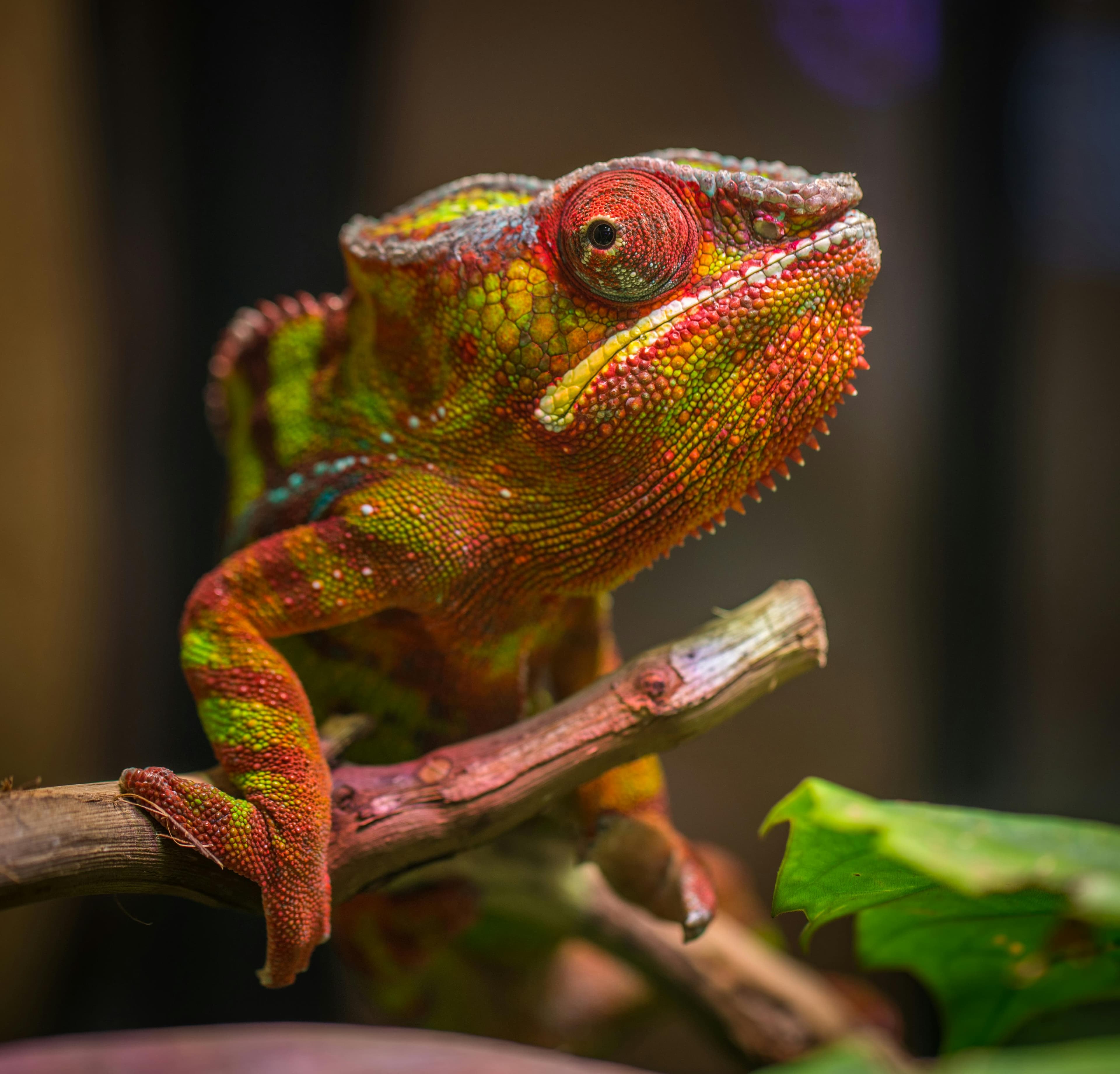
Crested Gecko Care: The Complete Setup and Husbandry Guide
Crested Geckos are arguably the lowest-maintenance reptile you can keep. No special lighting, no live bugs required, and they thrive at room temperature. Here's the full guide.
The Easiest Reptile in the Hobby?
Crested Geckos (Correlophus ciliatus) were thought to be extinct until they were rediscovered in New Caledonia in 1994. Since then, they've exploded in popularity — and for good reason. They don't need UVB (though it's beneficial), eat a powdered diet mixed with water, thrive at room temperature, and come in an incredible range of colors and patterns. If there's a "set it and forget it" reptile, the Crestie is the closest thing to it.
Enclosure
Crested Geckos are arboreal — they live in trees. Height matters more than floor space.
Adults: 18" x 18" x 24" front-opening terrarium minimum. The Exo Terra 18x18x24 Glass Terrarium is the industry standard for a reason: front-opening doors, good ventilation, and the right proportions.
Juveniles: Can be raised in smaller enclosures (12x12x18) or even large plastic containers with ventilation. Babies in oversized enclosures sometimes have trouble finding their food.
Fill the enclosure with plenty of vertical climbing surfaces: cork bark, branches, vines, and live or fake plants. Crested Geckos feel most secure when they have dense foliage to hide in. A bare enclosure with just a food dish will stress them out.
Temperature
Here's where Crested Geckos shine: they thrive at normal room temperature.
- Ideal range: 72-78°F
- Maximum: 82°F — temperatures above this can be fatal
- Night drop: 65-72°F is perfectly fine
If your home stays within 68-78°F year-round, you don't need any supplemental heating. This makes them one of the cheapest reptiles to maintain.
Important: Crested Geckos are more sensitive to heat than cold. A room that hits 85°F during summer is more dangerous than one that drops to 65°F at night. If your home runs hot, this may not be the species for you — or you'll need air conditioning.
Humidity
Crested Geckos need a humidity cycle: higher at night (70-80%) and lower during the day (50-60%). This mimics their natural environment.
How to achieve it: Mist the enclosure heavily once in the evening. The humidity spikes, then gradually drops during the day. Mist again lightly in the morning if needed. Many keepers use a misting system on a timer to automate this entirely.
The substrate helps maintain baseline humidity. Zoo Med Eco Earth or a soil/moss mix works well. Live plants also help regulate humidity naturally.
Lighting
Crested Geckos don't require UVB to survive — they're nocturnal and get adequate D3 from their powdered diet. However, providing low-level UVB (2-5%) is considered best practice and may improve color vibrancy and overall health. The Arcadia ShadeDweller ProT5 is a good option.
At minimum, provide ambient light for a day/night cycle. A room with natural window light is usually sufficient.
Diet
This is the biggest selling point of Crested Geckos: their primary diet is a powder you mix with water.
Pangea Fruit Mix Complete is the most popular and trusted brand. It comes in multiple flavors (Watermelon Mango, Fig & Insects, Banana Papaya) and provides complete nutrition — calcium, vitamins, protein, everything. Mix it to a smoothie-like consistency, put it in a small dish or bottle cap, and place it elevated in the enclosure.
Feeding schedule:
- Offer fresh mix every other evening
- Remove uneaten food after 24 hours
- Rotate flavors to prevent boredom
Insects as treats: Crested Geckos enjoy the occasional insect. Small Dubia roaches or crickets once a week add enrichment and extra protein. This is optional — they can live their entire lives on powdered diet alone.
Handling
Crested Geckos tolerate handling but are jumpy. Very jumpy. They're nicknamed "wall jumpers" because they launch themselves from hand to hand, surface to surface, and sometimes straight at your face.
Tips:
- Handle low to the ground or over a bed/couch
- Let them walk from hand to hand — don't grip
- Keep sessions to 10-15 minutes
- Don't handle after misting — they're more active and jumpier when wet
They rarely bite, and when they do, it's barely noticeable. Their main defense is fleeing, not fighting.
Tail drop: Crested Gecko tails do NOT grow back. Once dropped, it's gone forever. "Frogbutt" tailless Cresties are healthy and common, but handle carefully to avoid causing a drop.
Common Mistakes
- Temperatures too high — heat kills Crested Geckos faster than almost anything else
- No misting schedule — they drink water droplets off leaves, not from a dish
- Enclosure too bare — they need foliage and climbing surfaces to feel secure
- Old food left in the enclosure — attracts fruit flies and mold
- Cohabitation — males are territorial and will fight. Male/female pairs breed constantly, stressing the female
Lifespan
Crested Geckos live 15-20+ years with proper care. They mature slowly and don't reach full size until 18-24 months. A well-cared-for Crestie is a long-term companion that's genuinely easy to maintain.