How to Handle Your Reptile Without Stressing It Out
Handling done wrong causes chronic stress, defensive biting, and food refusal. Here's how to build trust with your reptile the right way — no matter the species.
Handling Is a Skill, Not a Right
Just because you own a reptile doesn't mean it wants to be held. Reptiles aren't domesticated — they tolerate us at best and panic at worst. The difference between a calm, handleable animal and one that bites or tail-whips every time you open the enclosure usually comes down to how the owner approaches handling. Here's how to do it right.
Wait Before You Start
New reptiles need time to settle in. Moving to a new enclosure is one of the most stressful events in a reptile's life. They need to establish that their new home is safe before they can deal with a giant hand reaching in.
General rule: Wait 5-7 days after bringing your reptile home before attempting to handle. During this time, don't reach into the enclosure except for water changes and spot cleaning. Let the animal eat at least 2-3 meals successfully before you start handling sessions.
Read the Body Language
Reptiles communicate stress clearly if you know what to look for:
- Hissing, puffing up, or gaping — back off, the animal feels threatened
- Rapid breathing or trying to flee — too stressed, end the session
- Tail rattling (in snakes) — a warning sign, not a good time to handle
- Black beard (Bearded Dragons) — stressed, scared, or defensive
- Dropped tail (geckos) — extreme stress response; this is permanent
If you see any of these signs, calmly return the animal to its enclosure. Forcing it through stress doesn't build trust — it builds an animal that associates your hand with danger.
The Right Way to Pick Up
Snakes: Approach from the side, not from above (above = predator). Slide your hand under the body at the mid-point and support the full length. Never grab the head or tail. Let the snake wrap and move through your hands.
Lizards: Scoop from below, supporting the belly and all four legs. Never grab from above or by the tail. For skittish species, place your hand flat in the enclosure and let them walk onto it.
Geckos: Cup gently — never squeeze. Many geckos are jumpy, so handle over a soft surface or while sitting on the floor in case they leap.
Keep Sessions Short
Start with 5-10 minute handling sessions. Work up to longer periods as the animal becomes comfortable. Even well-adjusted reptiles have limits — 20-30 minutes is a reasonable maximum for most species.
Frequency: 3-4 times a week is enough to maintain tameness without overdoing it. Daily handling can be stressful, especially for species that are naturally solitary and secretive.
When NOT to Handle
- During shed cycles — reptiles feel vulnerable and their vision is impaired
- After feeding — wait 48-72 hours; handling too soon causes regurgitation
- When the animal is in its hide — dragging a reptile out of its hide destroys its sense of security
- If the animal has refused food — handling a stressed, non-eating reptile makes things worse
- When you've used strong-smelling products — hand sanitizer, perfume, or lotion can irritate reptiles and some scents trigger feeding responses
Species That Handle Well vs. Don't
Enjoy or tolerate handling well: Ball Pythons, Corn Snakes, King Snakes, Bearded Dragons, Blue Tongue Skinks, Leopard Geckos
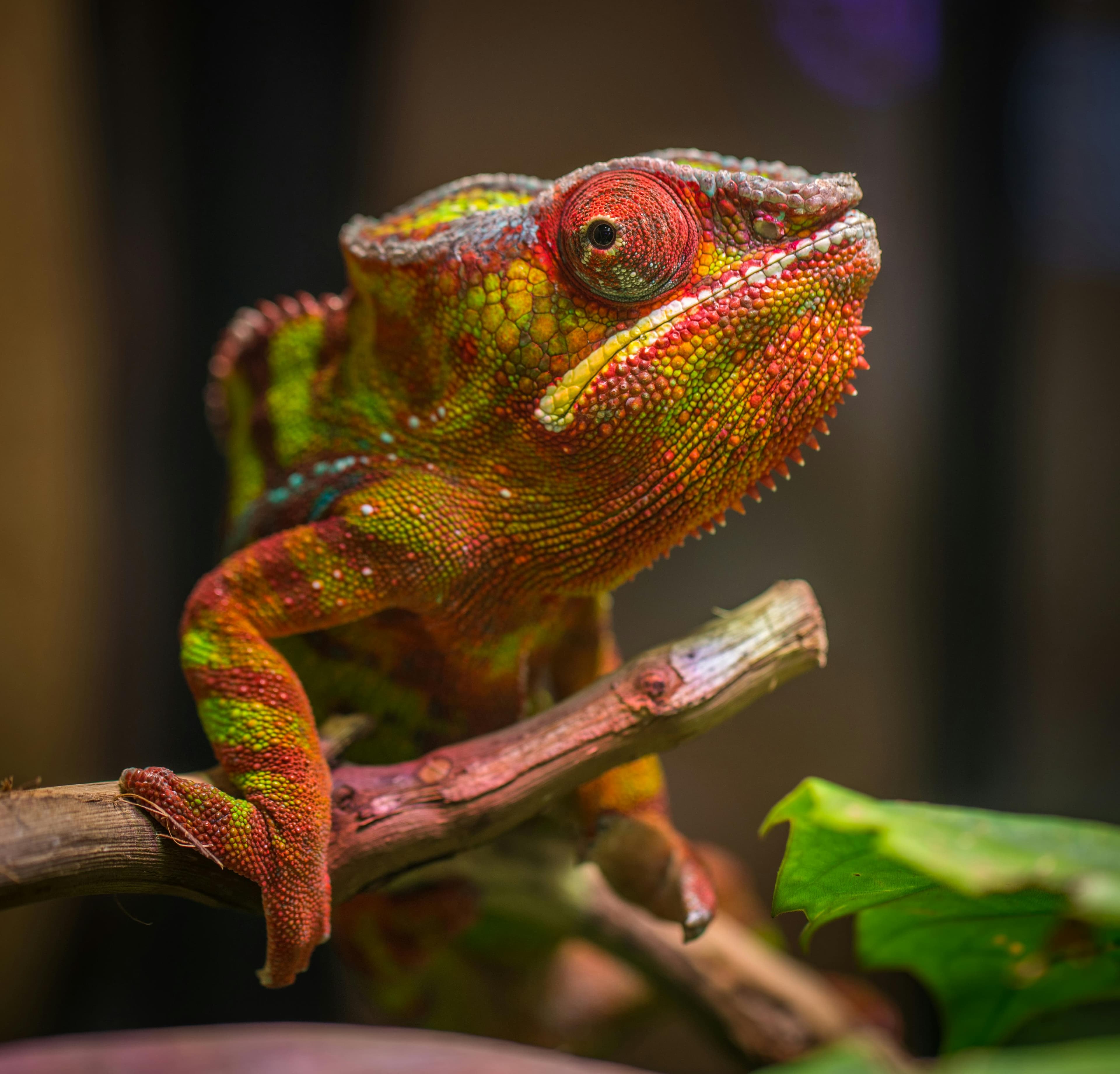
Prefer minimal handling: Crested Geckos (tolerate it but jump), Chameleons (stress easily and show it), Tree Boas/Pythons (often defensive), Day Geckos (too fast and fragile), Tokay Geckos (will bite and mean it)
Display only: Most amphibians, small dart frogs, and highly defensive species
Building Long-Term Trust
Consistency and calm energy are everything. Handle at the same general time of day. Move slowly. Don't chase the animal around the enclosure. Over weeks and months, most handleable species learn that your hand means a brief excursion, not a threat. Some individuals will never love handling — respect that. A healthy reptile that tolerates being held briefly is perfectly fine.