Reptile Humidity Control: Foggers, Misters, and What Actually Works
Struggling to keep humidity right in your reptile enclosure? Here's a practical breakdown of every method — from cheap hacks to automated systems.
Why Humidity Is So Hard to Get Right
Temperature gets all the attention, but humidity kills more captive reptiles than most keepers realize. Too low and you get stuck shed, dehydration, and respiratory issues. Too high and you're breeding mold, scale rot, and bacterial infections. Every species has a range, and staying in that range consistently — not just when you remember to mist — is the challenge.
Know Your Target
Before buying any equipment, know what your species actually needs:
- Ball Pythons: 60-80% (higher during shed)
- Crested Geckos: 60-80% (with a dry-out period during the day)
- Leopard Geckos: 30-40% (with a humid hide at 70-80%)
- Bearded Dragons: 30-40%
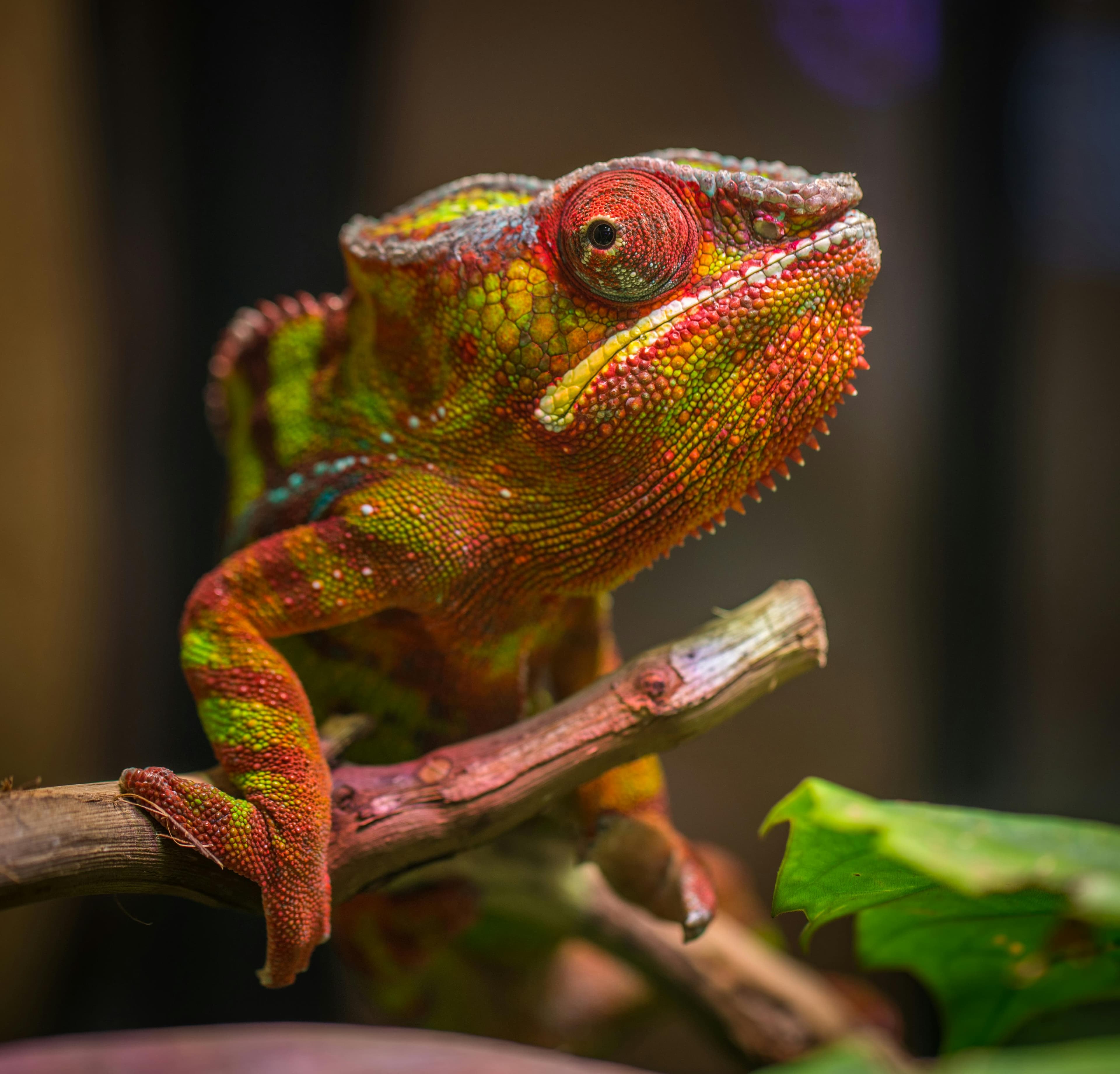
- Chameleons: 50-70% (with spikes to 80-100% via misting)
- Blue Tongue Skinks: 40-60% depending on subspecies
A digital hygrometer placed at mid-level in the enclosure is essential. Don't trust the round analog gauges — they're often off by 10-20%.
Manual Misting
The cheapest method: a spray bottle. Mist the enclosure 1-3 times daily. It works, but it's inconsistent, time-consuming, and relies on you never forgetting. Fine for low-maintenance species, but not practical for chameleons or other species that need multiple daily humidity spikes.
Automatic Misting Systems
For species that need regular misting (chameleons, day geckos, many tropical species), an automatic mister is a game-changer. The MistKing Starter Kit is the go-to recommendation. It runs on a programmable timer, delivers a fine mist through nozzles you position inside the enclosure, and is far more consistent than hand misting.
Set it to run for 30-60 seconds, 2-4 times daily, and adjust based on your hygrometer readings. The initial cost ($80-120) pays for itself in convenience and healthier animals.
Foggers and Humidifiers
Ultrasonic foggers produce a cool, dense fog that raises ambient humidity quickly. They're popular for ball pythons and other species needing sustained high humidity. A reptile fogger placed with the output directed into the enclosure works well, especially at night when humidity naturally drops.
Watch out for: Mineral buildup from tap water. Use distilled water to prevent white dust on everything. Also, too much fog in a poorly ventilated enclosure creates stagnant, wet conditions — that leads to respiratory infections and mold.
Substrate as a Humidity Tool
Your substrate is your biggest passive humidity regulator. Moisture-retaining substrates like Zoo Med Eco Earth and sphagnum moss hold water and release it slowly as humidity. A thick layer of damp (not soaking) coconut fiber can maintain 60-70% humidity with minimal intervention.
For even better results, mix in sphagnum moss and pour water directly into a corner of the substrate. It wicks upward and evaporates steadily.
Enclosure Type Matters More Than Anything
Here's the truth most guides skip: if you're fighting humidity constantly, the problem is probably your enclosure, not your misting routine.
Glass tanks with screen tops are humidity nightmares for tropical species. The screen allows moisture to escape constantly. Solutions: cover 75-80% of the screen with aluminum foil, HVAC tape, or a cut piece of acrylic. Leave a section open for ventilation.
PVC enclosures retain humidity far better than glass. If you keep Ball Pythons, Rainbow Boas, or any humidity-dependent species, switching to PVC often solves the problem entirely without needing foggers or misters at all.
The Humid Hide: A Simple Fix
For species in arid setups that still need localized humidity (Leopard Geckos are the classic example), a humid hide solves the problem elegantly. Take a hide box, cut an entrance hole, and fill it with damp sphagnum moss. Your gecko can enter when it needs moisture for shedding and leave when it doesn't. Remoisten the moss every few days. Simple, effective, and no electronics required.
Finding Your Balance
Start with the right enclosure type for your species. Add appropriate substrate. Then layer on misting or fogging only if needed. Most keepers over-complicate humidity by buying expensive equipment before addressing the basics. Get the enclosure and substrate right first — you might not need anything else.