Setting Up the Perfect Reptile Enclosure: Essential Equipment Guide
Your reptile's enclosure is its entire world. Here's exactly what equipment you need and why cutting corners on housing always costs more in the long run.
Your Reptile's Entire World
In the wild, reptiles have miles of territory. In captivity, they have whatever you give them. That makes enclosure setup one of the most important decisions you'll make as a keeper. Get it right from the start and you'll have a thriving animal. Cut corners and you'll spend more on vet bills than you saved.
Choosing an Enclosure Type
Glass Terrariums
Glass tanks are the most common starting point. The Exo Terra Glass Terrarium is an industry favorite because of its front-opening doors, built-in screen top for ventilation, and closable cable ports for heat lamps. They work well for Leopard Geckos, Crested Geckos, and smaller species. The downside: glass doesn't hold humidity or heat as efficiently as PVC.
PVC Enclosures
For species that need stable humidity — Ball Pythons, Rainbow Boas, Blue Tongue Skinks — PVC is king. Zen Habitats PVC Enclosures are popular for good reason: they're lightweight, stackable, hold heat and humidity far better than glass, and look clean. The upfront cost is higher, but the reduced energy costs and easier husbandry pay for themselves.
Screen Cages
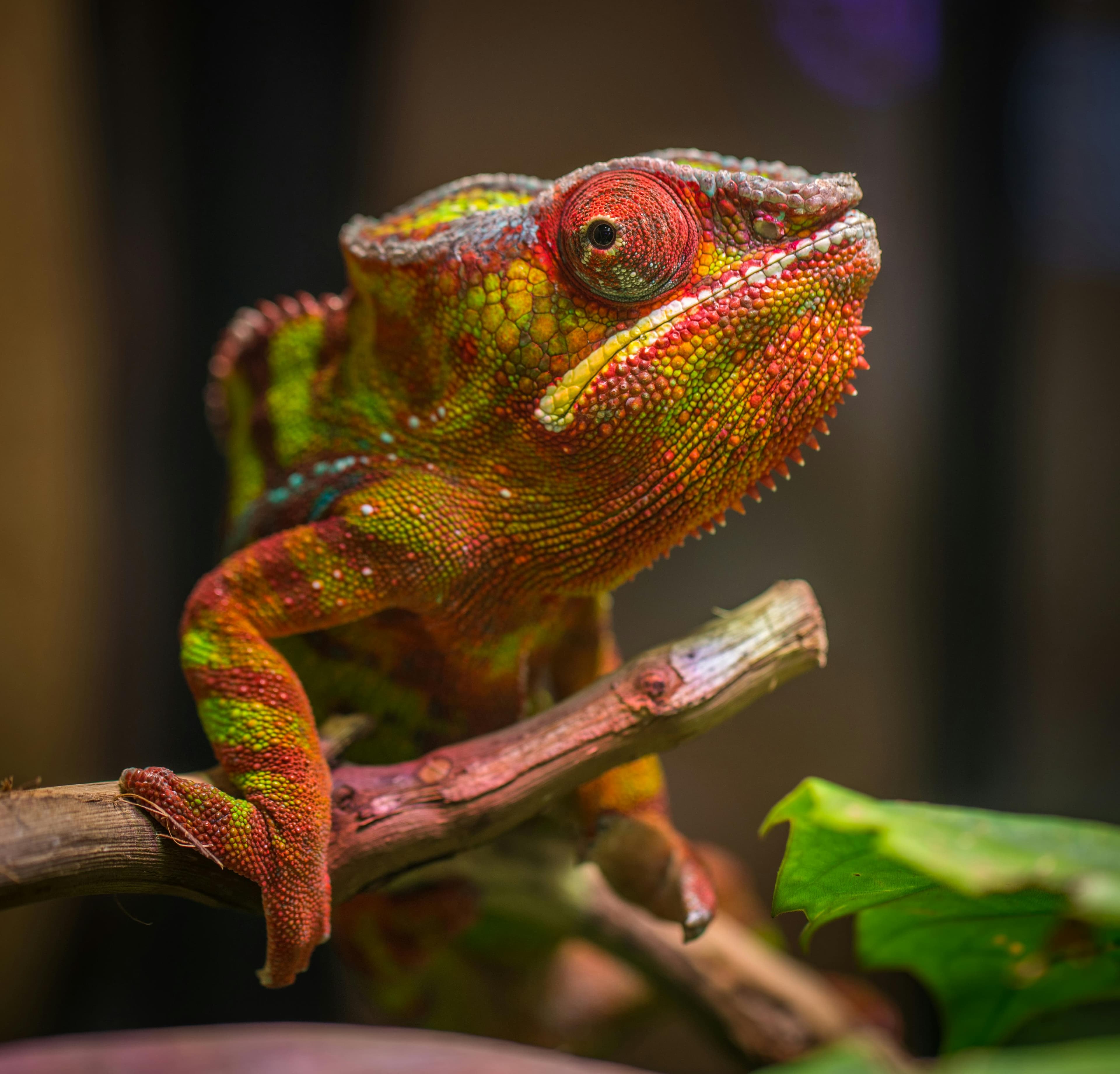
Chameleons and some arboreal species need maximum airflow. Screen cages provide that, though they make maintaining humidity and temperature gradients more challenging. These are specialist enclosures, not general-purpose ones.
What Goes Inside
Hides
Every reptile needs at least two hides — one on the warm side, one on the cool side. This isn't optional. Without proper hides, reptiles get chronically stressed, stop eating, and become susceptible to illness. Zoo Med Repti Shelter makes solid, affordable options in multiple sizes.
Water Dish
Heavier is better. Reptiles tip lightweight dishes constantly. Get something ceramic or stone-based that won't flip when your snake decides to soak at 2 AM.
Climbing and Enrichment
Branches, cork bark, ledges, and fake plants aren't just decoration. They provide exercise, mental stimulation, and additional hiding spots. Even terrestrial species benefit from low-profile climbing options. Cork rounds and flats double as hides and climbing surfaces.
Thermometer and Hygrometer
You need to know your temperatures and humidity levels at all times. Don't rely on the stick-on analog gauges — they're notoriously inaccurate. A digital thermometer/hygrometer combo placed at both the warm and cool ends gives you the real picture.
The "Buy Once, Cry Once" Rule
Cheap enclosures crack. Cheap thermostats fail. Cheap hides have rough edges that cause abrasions. Invest in quality equipment from the start. The animals that end up at the vet most often are the ones in setups their owners tried to do on the cheap.
Putting It All Together
Before your animal arrives, run the full setup for 48-72 hours. Verify your temperature gradient is correct, humidity is stable, and all equipment is functioning. This trial run catches problems before your reptile pays the price for them.